Land Control Board Consent in Kenya: When You Need It and How It Works
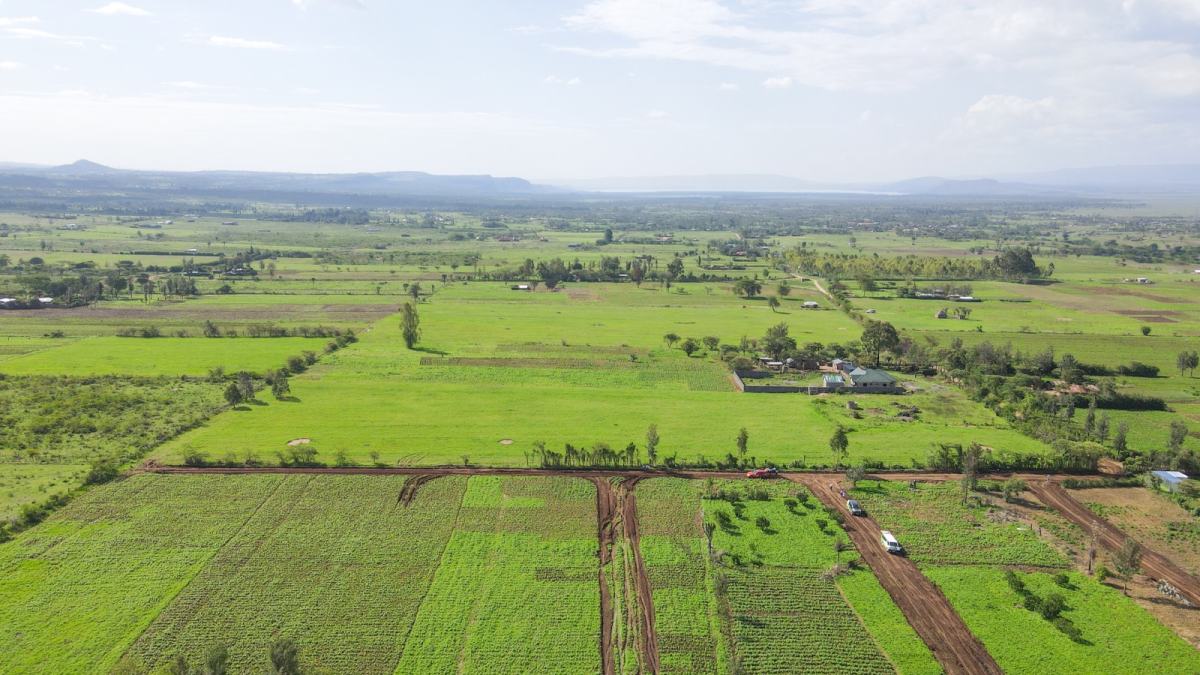
Land Control Board consent is an easy step to overlook, and missing it can be costly. If the land you are buying is controlled agricultural land, a transaction without consent can be treated as void.
What is the Land Control Board?
Land Control Boards operate at a local level under the Land Control Act. They review certain dealings in agricultural land, including sales, transfers, leases, subdivisions and charges.
Does it apply to your plot?
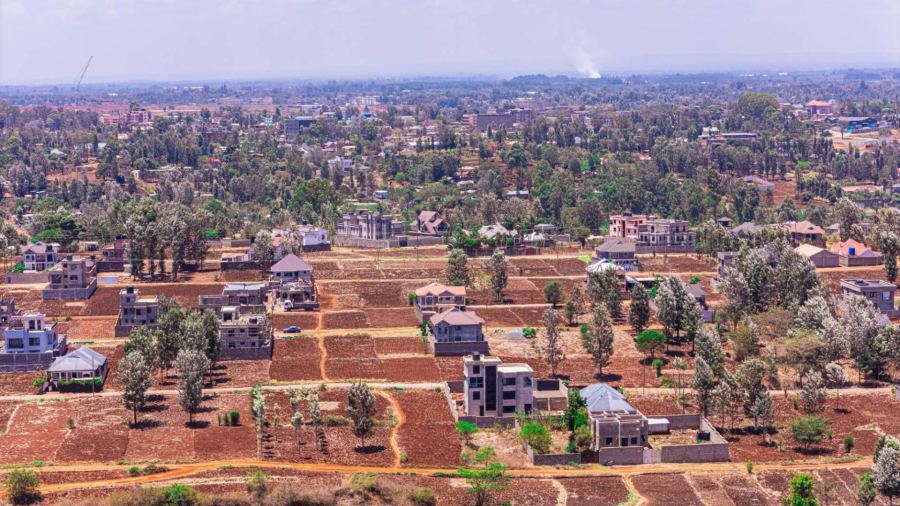
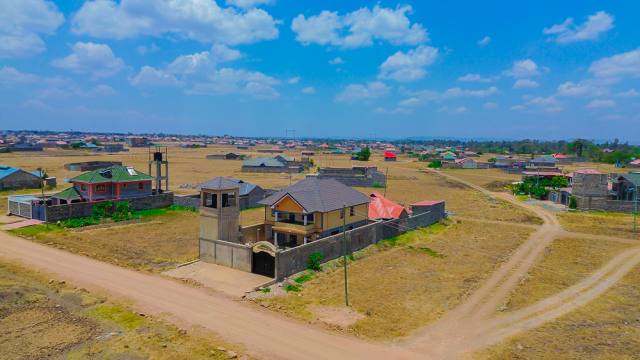
It generally depends on whether the parcel is agricultural land within a land control area. Land within a municipality or township may fall outside it. Many plots near growing towns are in a grey area because the surroundings look urban while the title is still agricultural. Do not guess: ask your advocate to check the title and the location.
The six-month rule
An application is generally expected within six months of the agreement. If this is missed, the transaction may become void unless the time is extended through the proper legal route. Build this date into your plan, particularly if you are paying over several months.
How the process usually works
- Your advocate prepares the application form.
- The seller and buyer provide identification and the title details.
- The application is lodged with the local board.
- The board considers it at a scheduled sitting.
- A letter of consent is issued if approved.
- The consent is used for the transfer at the registry.
If you are overseas
Boards normally expect the parties to be available. A buyer abroad can often be represented by a properly authorised person, so ask your advocate whether you need a registered power of attorney and make sure it is in place before the sitting date.
Spouses and family
Boards may look at whether a family depends on the land being sold. Spousal consent can matter too, so make sure the seller’s marital position has been addressed.
Non-citizens
Non-citizens face restrictions on agricultural land, and consent may be refused. If you are not a Kenyan citizen, or you are buying with a company or spouse who is not, take advice first. See dual citizens and land ownership.
Questions to ask your seller
- Is this land agricultural or within a town?
- Is consent required for this transfer?
- Who will apply, and who pays?
- Was consent obtained for the subdivision?
Put it in writing
Your sale agreement should say who handles consent and what happens if it is refused, including whether your money is returned. If you are looking at Crown Court Phase 4 or Twilight Court Phase 4, ask us and your advocate to confirm what applies to your specific plot.
Please note: this guide is general information, not legal, tax or financial advice. Laws, fees and procedures change, so confirm your position with a Kenyan advocate, KRA or a qualified adviser before you act.